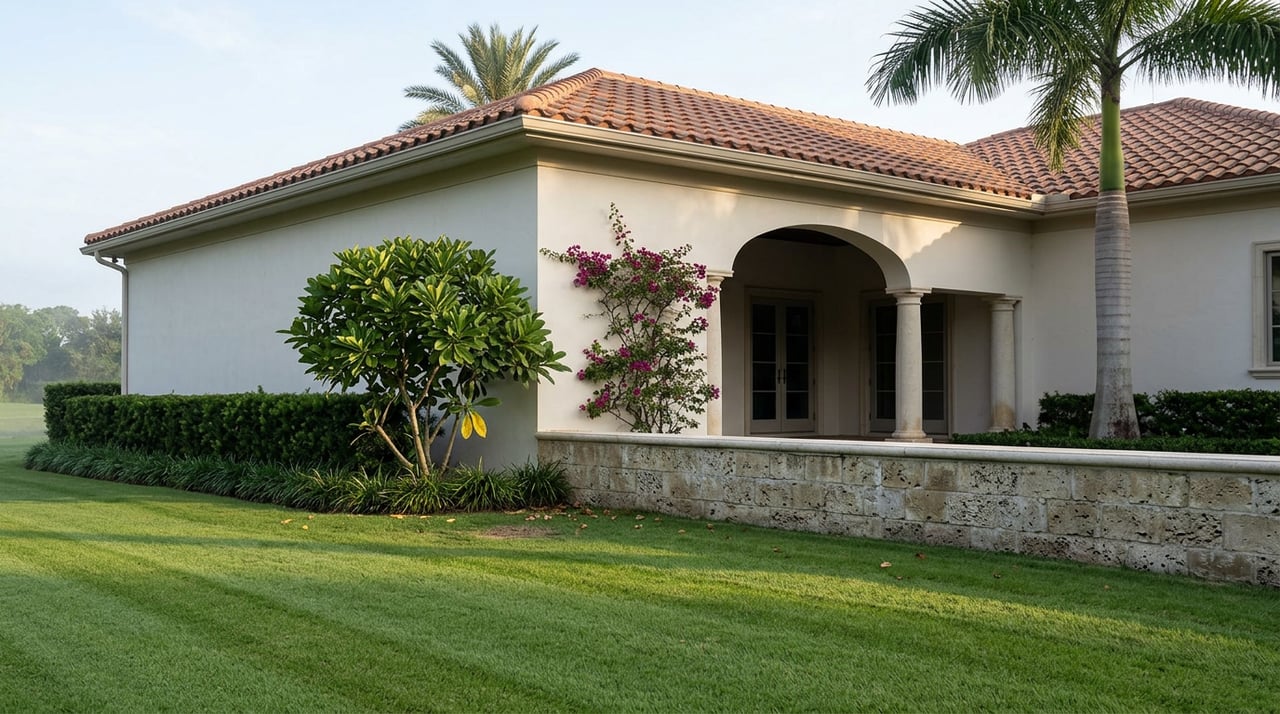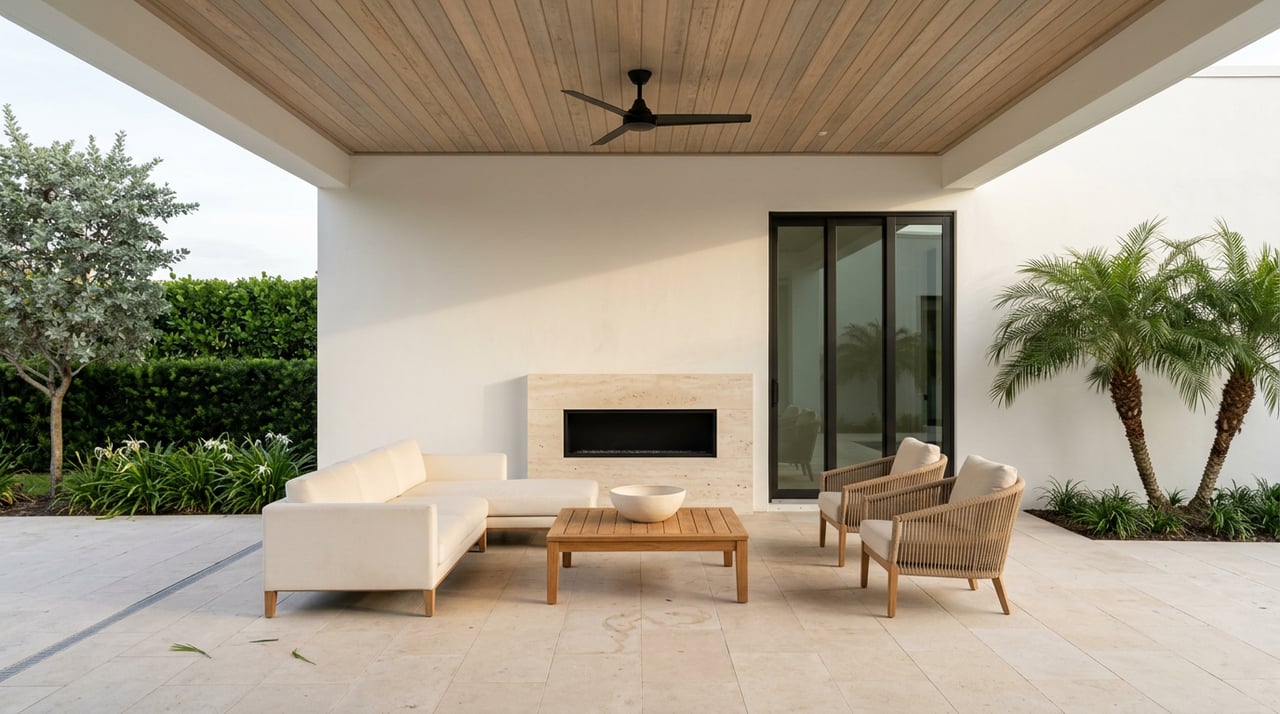
Dreaming of warm winters without the Miami bustle, but still craving art, golf, and walkable beaches? If you live in New York, New Jersey, or Connecticut, Vero Beach gives you a calm, coastal base with refined amenities and easier access than you might expect. In this guide, you’ll see how to get here, what the buying timeline looks like from afar, the key costs to plan for, and smart ways to settle into the community. Let’s dive in.
Why Vero Beach stands out
Vero Beach blends quiet shoreline living with a full cultural calendar. You can spend mornings on uncrowded beaches, then catch exhibitions or performances in season. Local museums, theatre, and gardens anchor the winter social scene, which is a common draw for second‑home owners who split time here.
You also find a robust club culture on and near the barrier island. Golf, tennis, beach clubs, and active member calendars make it easy to build a routine when you are in residence. Memberships typically involve an application and review, and some clubs have waitlists, so it pays to start introductions early.
Lastly, the pace is unhurried. Streets remain low density compared with major South Florida metros, yet dining, shopping, and services are close at hand. If you value a calmer coastline, Vero Beach fits.
Travel and access from the Northeast
Vero Beach nonstops
Getting here is easier than it used to be. JetBlue began year‑round nonstop flights to Vero Beach Regional Airport from Boston and New York in December 2025. Always check current schedules because routes change seasonally, but this expansion shortened door‑to‑door time for many Northeastern buyers. You can confirm carriers and updates on the Vero Beach Regional Airport site.
- See the announcement of JetBlue’s added Florida service and new routes that included Vero Beach in December 2025: JetBlue expands with Florida additions
- Check the airport for current carriers and schedules: Vero Beach Regional Airport
Alternate airports
When VRB schedules are limited, you have strong alternatives. Melbourne Orlando International (MLB) is often about a 45‑minute drive. Orlando International (MCO) typically runs 1.5 to 2 hours by car depending on traffic. West Palm Beach (PBI) is another reliable option for many winter arrivals.
Private car services run frequent transfers from MCO, MLB, and PBI to the island. If you plan to arrive in peak season, pre‑book your transfer to avoid delays.
Market snapshot and price context
Countywide medians shift month to month and vary by data source. To give you a dated reference point, Redfin reported a median sale price of about $394,000 for Indian River County as of January 2026. Luxury waterfront, oceanfront, and in‑town barrier‑island properties typically trade well above county medians, especially when turnkey and club‑proximate. Use medians as broad context, then zero in by neighborhood, water access, and condition.
- See the dated snapshot: Indian River County market data (Jan 2026)
How to buy remotely with confidence
A clear plan keeps a remote purchase smooth. Here is a practical, remote‑friendly workflow many second‑home buyers follow.
Timeline you can trust
- Weeks 0–2: Speak with your lender about pre‑approval if you plan to finance. Align on budget, desired monthly costs, and cash to close. Choose a local buyer’s agent experienced with virtual tours and remote closings.
- Weeks 2–6: Tour shortlisted homes via live video and recorded walkthroughs. Request floorplans and disclosures early. Make offers with clear timelines and contingencies that allow virtual and on‑site inspections.
- Contract to close: For financed purchases, expect roughly 30 to 45 days from contract to closing in today’s market. Cash buyers can close faster. Build in wiggle room for HOA document turnaround and lender conditions.
Reference: industry metrics summarized here show purchase‑loan close times averaging around 41 days: Typical contract‑to‑close timing
Virtual tour standards
Insist on clear, well‑lit video and a measured floorplan. Ask your agent for a quick live walkthrough that covers utility panels, attic access, roof views where safe, and any signs of moisture. This preview helps you decide whether to escalate to full inspections.
Inspections and flood checks
Order a general home inspection, a wind mitigation or roof inspection, and consider an elevation certificate or flood‑risk review if the home is near the coast or river. Verify flood zone status using the City of Vero Beach flood resources and ask the seller for any recent permits or prior inspection reports.
- Check local flood tools: City of Vero Beach flood resources
Remote closings and notarization
Florida authorizes Remote Online Notarization, and many title companies support e‑signing and remote notarization. Your lender and title company must agree on the method, so confirm this at the start. If your lender requires in‑person notarization, plan a short visit or arrange a mobile notary near you.
- Learn about RON requirements: Florida Remote Online Notary guidance
Closing costs and taxes to plan for
Florida documentary stamp tax
Florida collects a documentary stamp tax on deeds, calculated at a state rate that is commonly 70 cents per 100 dollars of consideration. Buyers who finance also see taxes tied to the mortgage instrument, together with recording fees and title insurance. These are normal line items at closing.
- See state‑level guidance: Florida Senate analysis of documentary stamp tax
Worked example for illustration only: If you buy a $1,200,000 property, the deed documentary stamp tax would calculate as $1,200,000 divided by 100 equals 12,000, multiplied by $0.70 equals $8,400 for that line item. You would also plan for title insurance, closing or escrow fees, lender charges if applicable, and local recording fees. Ask your lender or title company for an early Loan Estimate or sample Closing Disclosure so you can see your totals in writing.
Property taxes and homestead rules
Florida does not levy a state personal income tax. Property taxes are assessed locally. Homestead exemptions and the Save Our Homes assessment cap apply only to your primary residence. Second or seasonal homes do not qualify unless you make the property your legal domicile and meet the residency rules. The filing deadline for homestead is March 1 for the tax year.
- Read the state’s guidance: Florida property tax and homestead resources
Short‑term rental taxes and approvals
If you plan to rent your home for periods of six months or less, Indian River County imposes a Tourist Development tax on short stays. Municipalities can also require registrations or permits. Confirm city and county rules before advertising rentals and set up the correct tax accounts if needed.
- See county materials: Indian River County Tourist Development Council notes
Insurance, wind, and flood planning
The Florida homeowners market has been volatile in recent years, but private carriers began to re‑enter the market in 2024 and 2025 and there were signs of stabilization. Even so, coastal properties can carry higher wind exposure and premiums, and standard homeowners policies do not cover flood. If your home is in a higher‑risk flood zone and you carry a federally backed mortgage, flood insurance is typically required.
- See market context from the state insurer of last resort: Citizens Property Insurance press updates
Request quotes early in your search so premiums factor into your budget. Ask about wind‑mitigation inspections and potential discounts. If you are considering an older roof or original windows, get contractor estimates for upgrades like impact glass or shutters.
Home‑hardening and possible grants
Common upgrades in coastal homes include impact windows and doors, reinforced roof ties and strapping, hurricane shutters, whole‑home or partial backup power, and elevating HVAC or electrical components above potential water lines. The My Safe Florida Home program has provided wind‑mitigation inspections and matching grants for eligible primary residences in certain funding windows. Program availability and eligibility change, and funds have run out quickly in prior cycles, so confirm current status before you rely on a grant.
- Program status and updates: My Safe Florida Home overview
Social integration and clubs
Private clubs are central to many owners’ social lives in peak season. The common path is straightforward: visit as a guest, meet members, apply, and complete a review process. Some clubs maintain waitlists. Expect a busy calendar across golf, tennis, beach, dining, and events, especially from December through April.
Beyond clubs, you can plug into culture and community through museums, theatre, gardens, and local volunteer organizations. Seasonal galas and arts programming make it easy to build a balanced calendar around your time in residence.
Concierge checklist for second‑home owners
Use this as a quick reference when you are preparing a home you visit a few months a year.
- Pre‑purchase due diligence: confirm insurance quotes, review flood zone, order full inspections, verify HOA rules and rental policies.
- Before you arrive: schedule cleaning, provision the kitchen, set AC and humidity controls, and confirm pool and landscape service.
- Arrival day: run water through all fixtures, check for leaks, confirm Wi‑Fi and smart‑home systems, and test storm shutters.
- During your stay: schedule any vendor work midweek, keep wind‑mitigation documentation handy, and save copies of permits and warranties.
- Departure: shut off or lock outdoor valves where appropriate, set AC and humidity controls, empty perishables, confirm storm readiness, and coordinate keyholding.
Questions to ask a prospective property manager:
- What insurance do you carry, and are you bonded?
- What is your average emergency response time, and who is on call during storms?
- Do you provide photo reports after site visits and vendor work?
- How are contracts structured and can services scale seasonally?
- Can you oversee annual wind‑mitigation inspections and insurance renewals?
Getting started
If Vero Beach feels like the right second‑home base, your next step is a calm, informed search with local eyes on the ground. An experienced advisor can curate properties that fit your travel habits, preferred club or cultural interests, and appetite for maintenance. From virtual tours and contractor introductions to HOA review and remote closing logistics, you can keep the process efficient from the Northeast.
Ready to discuss neighborhoods, club options, and a tailored game plan for buying remotely? Connect with Catherine Curley to request a private consultation.
FAQs
How long does a remote closing take in Florida?
- For financed purchases, plan roughly 30 to 45 days from contract to closing based on recent industry averages, with cash deals often closing faster.
Do second homes qualify for Florida homestead benefits?
- No, homestead exemptions and Save Our Homes protections apply only to a primary residence that meets domicile and residency rules, with a March 1 filing deadline each tax year.
Is flood insurance required in Vero Beach?
- Standard homeowners policies exclude flood; if your property is in a higher‑risk flood zone and you carry a federally backed mortgage, flood insurance is typically required.
Can I rent my Vero Beach home short‑term?
- Rentals of six months or less are generally subject to Indian River County’s Tourist Development tax, and local municipalities may require registrations or permits; confirm city and county rules before listing.
Which airports work best for Vero Beach arrivals?
- Use Vero Beach Regional Airport when nonstop service fits your dates, or consider Melbourne (MLB), Orlando (MCO), and West Palm Beach (PBI) as reliable alternates with pre‑booked transfers.
What closing costs should I expect on a $1.2M Florida home?
- As one example, the deed documentary stamp tax would be about $8,400 at the state rate commonly 70 cents per $100; you would also plan for title insurance, recording fees, closing or escrow fees, and any lender charges.