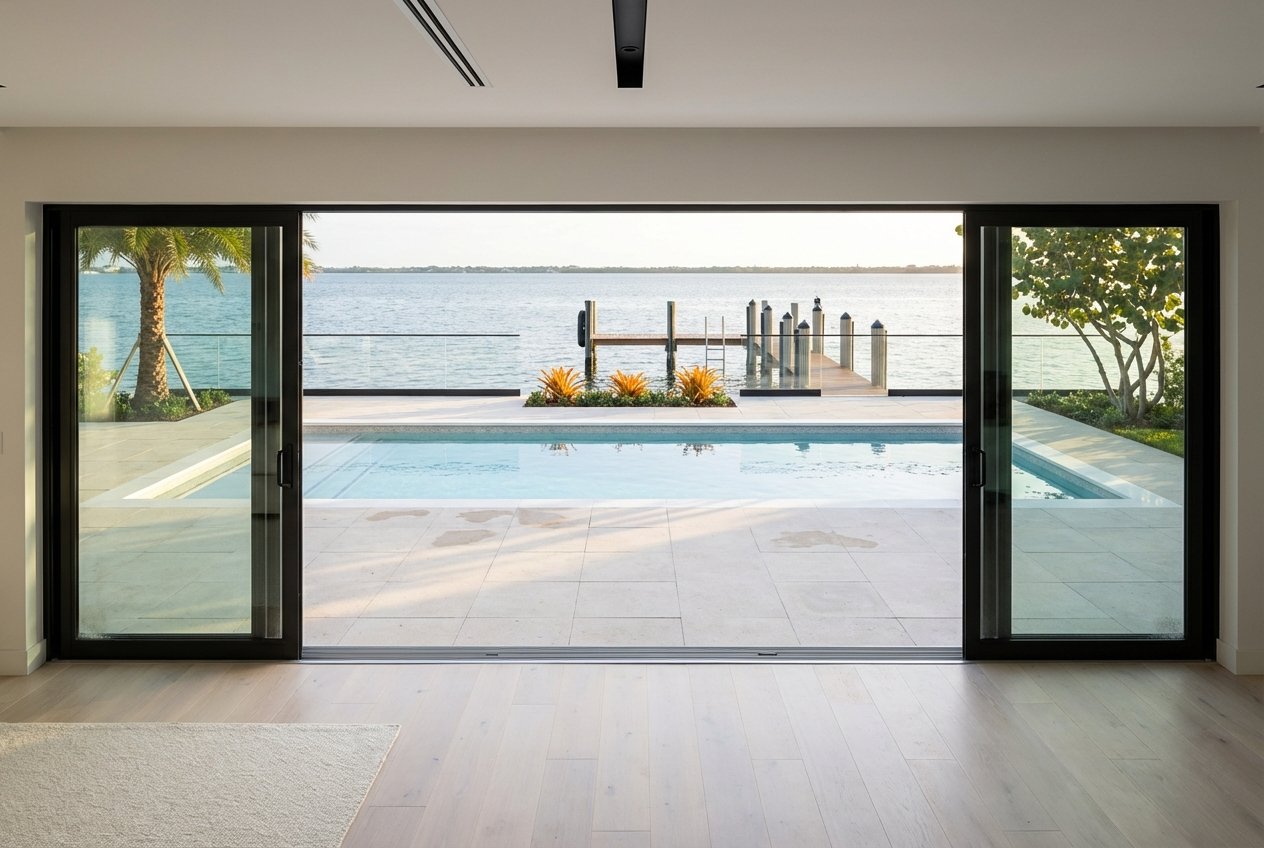
You hear “waterfront” and picture sunrises over the ocean, dolphins in the lagoon, and an easy boat ride to dinner. But not all waterfront is the same, and the details matter. If you are buying or selling in Indian River County, understanding what actually drives value can save you time, stress, and money.
In this guide, you will learn the key features that move price, how appraisals treat waterfront differently, and the practical checks to do before you write an offer or set a list price. Let’s dive in.
Oceanfront vs. lagoon: two distinct markets
Indian River County has two main waterfront experiences: Atlantic oceanfront on the barrier island and lagoon or Intracoastal frontage along the Indian River Lagoon. The lagoon is a shallow estuary with calm water and unique habitats, very different from surf beaches and dunes on the ocean side. You can learn more about the lagoon’s character from this overview of the Indian River Lagoon estuary.
On the ocean, you get direct beach access, waves, and sweeping views. Oceanfront homes also face dune dynamics, storm exposure, and tighter coastal building rules. County experts track beach and inlet projects on the Coastal Engineering and Beach Program page.
Along the lagoon and Intracoastal, you get protected water and calmer recreation. Many buyers here value dockage, boating, and fishing. Bridge heights, channel depth, and marina access shape daily usability and long‑term value. These differences create distinct buyer segments and price behaviors.
The value drivers that move price
Frontage type and access
Frontage sets the lifestyle and the initial price tier.
- Oceanfront usually commands a premium for surf, beach access, and privacy. It also brings stricter permitting near the Coastal Construction Control Line, which can add time and cost to renovations. Review the state’s CCCL rules and permitting framework.
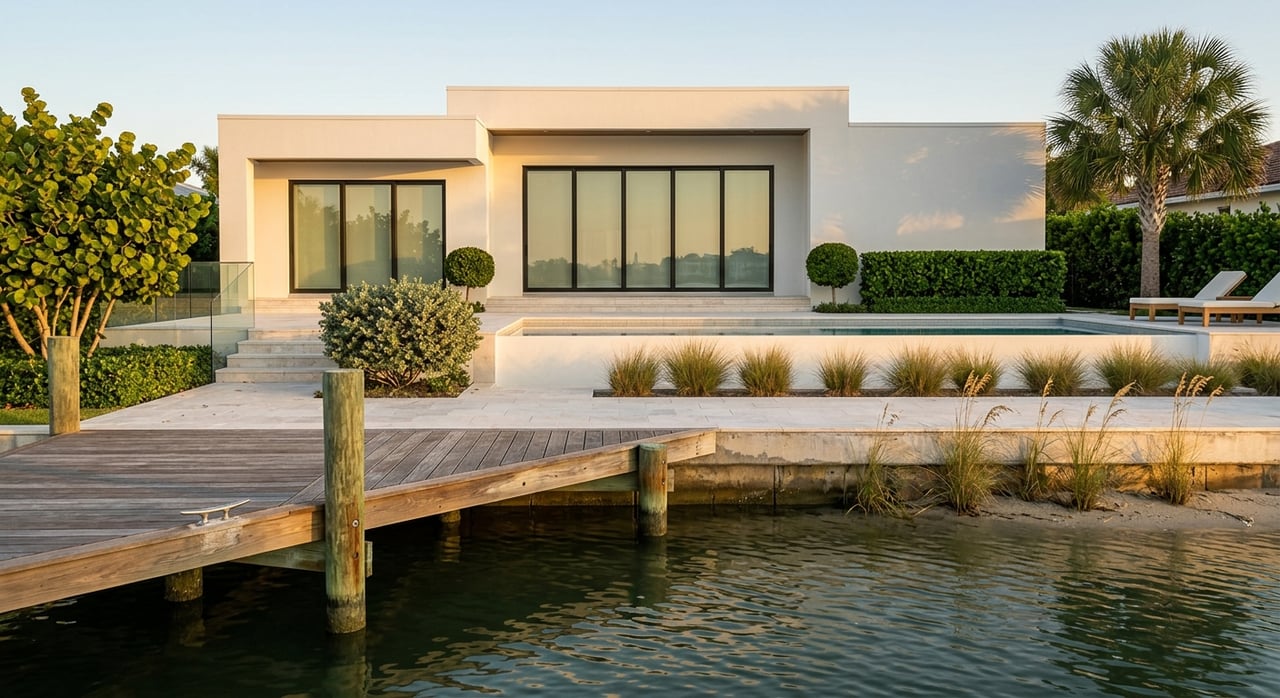
- Lagoon or Intracoastal frontage often trades on boat access and calmer waters. Water depth at your dock, and whether there are fixed bridges or shoaling along your route, heavily influence value.
- Canal frontage varies. Some canals are shallow and best for small craft, which reduces the boating premium. Proximity to maintained channels and marina infrastructure matters. Area marinas and yacht clubs are lifestyle anchors that can elevate nearby property appeal.
Dockage, depth, and seawall condition
For boating buyers, dock features and navigability are among the strongest premiums. A private dock with adequate length, lift capacity, and turning radius can separate a good property from a great one. The catch: permits and actual water depth matter. Confirm permitted status and survey recent depths. You can track local dredging and inlet maintenance through the USACE Jacksonville District’s project and permit notices.
Seawalls and bulkheads are regulated and costly to rebuild. Appraisers and inspectors often deduct for near‑term seawall repairs. If replacement is likely, buyers will price that risk into offers.
Views, orientation, and lot geometry
Linear feet of water, lot shape, and orientation to sunrise or sunset all influence the “view premium.” A point lot with panoramic views typically commands more than a narrow lot with obstructions. Appraisers account for these features when they can quantify them.
Regulatory overlays and environmental rules
Coastal permitting can affect timelines for improvements.
- Construction near the CCCL requires state review. Expect added complexity and documentation.
- Mangroves are protected in Florida. Trimming or removal to open a view often requires permits or a Professional Mangrove Trimmer. Review the state’s mangrove guidance before you assume you can alter vegetation.
- Dredging and channel maintenance are controlled activities. Depths can change over time with shoaling or periodic dredging, which affects dock utility. USACE updates are posted via public notices.
Flood risk, maps, and insurance
Flood zone and elevation influence insurance requirements and carrying costs. Indian River County adopted new FEMA Flood Insurance Rate Maps effective January 26, 2023. The county provides updates and contacts on its flood information page.
FEMA’s Risk Rating 2.0 now prices flood insurance using more property‑specific factors like distance to water, elevation, and replacement cost. This can change expected premiums compared with older, zone‑based assumptions. For a plain‑English overview, see FEMA’s explanation of Risk Rating 2.0.
Water quality and long‑term resilience
Water clarity and habitat health influence how people use the lagoon. Indian River County partners on seagrass and lagoon restoration, and improvements support boating and fishing appeal over time. Explore active seagrass restoration projects to understand local efforts.
Community amenities and scarcity
Private beach access, club amenities, and true deep‑water point lots are scarce. Scarcity drives price, but club or HOA dues increase carrying costs. Buyers should weigh privacy, services, and resale visibility against ongoing fees.
How waterfront appraisals really work
Why appraisals differ from inland homes
No two waterfront properties are identical. Frontage type, depth at the dock, bridge clearances, erosion exposure, and view corridors vary widely. Appraisers often blend comparable sales with “cost to cure” adjustments for seawalls or docks and lean on specialized market knowledge when direct comps are limited. The Appraisal Institute’s guidance highlights the need for careful amenity and geographic adjustments when comps are thin. See a summary of common methods in this valuation principles manual.
Typical adjustments and what appraisers ask for
Be ready for adjustments tied to:
- Linear feet of waterfront and lot shape
- Dock and lift capacity, turning radius, and water depth
- Seawall age and condition
- Elevation relative to base flood elevation
- Transferability of any club or marina rights
Expect requests for a current survey, dock and seawall permits, marine inspections, and any engineering reports for planned or recent work. Well‑organized documentation speeds underwriting and can support contract value.
Liquidity and buyer pools
Luxury waterfront has a smaller buyer pool and more specific needs, so days on market can vary and list‑to‑sale price gaps can widen when properties are unique. That makes accurate comps, inspections, and a strong narrative essential when you are defending value in an appraisal or negotiation.
Common misconceptions, clarified
- “Oceanfront is always worth more.” Not always. For dedicated boaters, a rare deep‑water point lot with unobstructed ocean access can rival or exceed oceanfront value. Local marina capacity and channel depth shape the premium. Review area marinas and channels when boating is central to your lifestyle.
- “A dock guarantees ocean access.” Not necessarily. Shallow canals, fixed bridges, and shoaling can limit boat size or block passage. Check channel maintenance and bridge clearances through public navigation notices.
- “Waterfront has little flood risk.” All waterfront carries flood and storm risk. Elevation, structural design, and shoreline protection drive mitigation and insurance needs. Risk Rating 2.0 sets premiums with property‑specific data. See FEMA’s overview of Risk Rating 2.0.
- “Seawall or dock repairs are quick and easy.” They can be costly and permit‑heavy. Unpermitted work delays closings and reduces value. Build realistic timelines and budgets into your plan.
A quick pre‑tour checklist
Before you tour or list a waterfront property, ask your agent these questions:
- What is the exact waterfront type, and is there direct ocean or channel access?
- What are the verified depths at mean low water and any bridge clearances en route to the ocean?
- Are the dock, lift, and seawall permitted and in good condition? Any recent inspections?
- What is the flood zone, elevation, and estimated flood insurance under Risk Rating 2.0? Start with the county’s flood information page.
- Are there mangroves or other protected vegetation, and what trimming rules apply? Review Florida’s mangrove guidance.
- What club, marina, or HOA amenities and dues apply, and are there waitlists or transfer rules?
Next steps
If you are weighing oceanfront surf and sand against lagoon‑side boating and calm waters, the best move is to align the property to your lifestyle and future plans. Document the details that defend value, from dock permits and soundings to flood maps and elevation certificates. Presenting this clearly will strengthen negotiations and reduce appraisal friction.
If you want a private, boutique approach backed by deep local knowledge of barrier‑island and riverfront living, reach out to Catherine Curley to compare options and map your next move.
FAQs
What is the difference between oceanfront and lagoon homes in Indian River County?
- Oceanfront offers beach access and surf conditions, while lagoon frontage offers protected water and boating; dune dynamics and CCCL rules impact oceanfront, and channel depth and bridge clearances shape lagoon usability.
How do updated FEMA flood maps affect what I pay for waterfront insurance?
- New FIRMs effective January 26, 2023 can change lender requirements and premiums; verify your parcel on county flood resources and get carrier quotes that reflect Risk Rating 2.0.
What should I look for in a dock and seawall before I make an offer?
- Confirm permitted status, lift capacity, length, turning room, and verified depth at mean low water, and obtain a marine inspection that estimates near‑term seawall and dock maintenance.
Do Florida mangrove rules affect my ability to trim for a view?
- Yes. Mangroves are protected and trimming or alteration often requires a permit or a Professional Mangrove Trimmer; unpermitted work can lead to fines or restoration requirements.
Why do waterfront appraisals sometimes come in below list price?
- Unique features and thin comps require larger adjustments, and appraisers deduct for anticipated repairs like seawalls or docks; strong documentation helps defend contract value.
Can a canal home be as valuable as oceanfront?
- It can be if the canal offers rare deep water with unobstructed access that suits larger vessels; practical boating access can rival beach premiums for dedicated boaters.