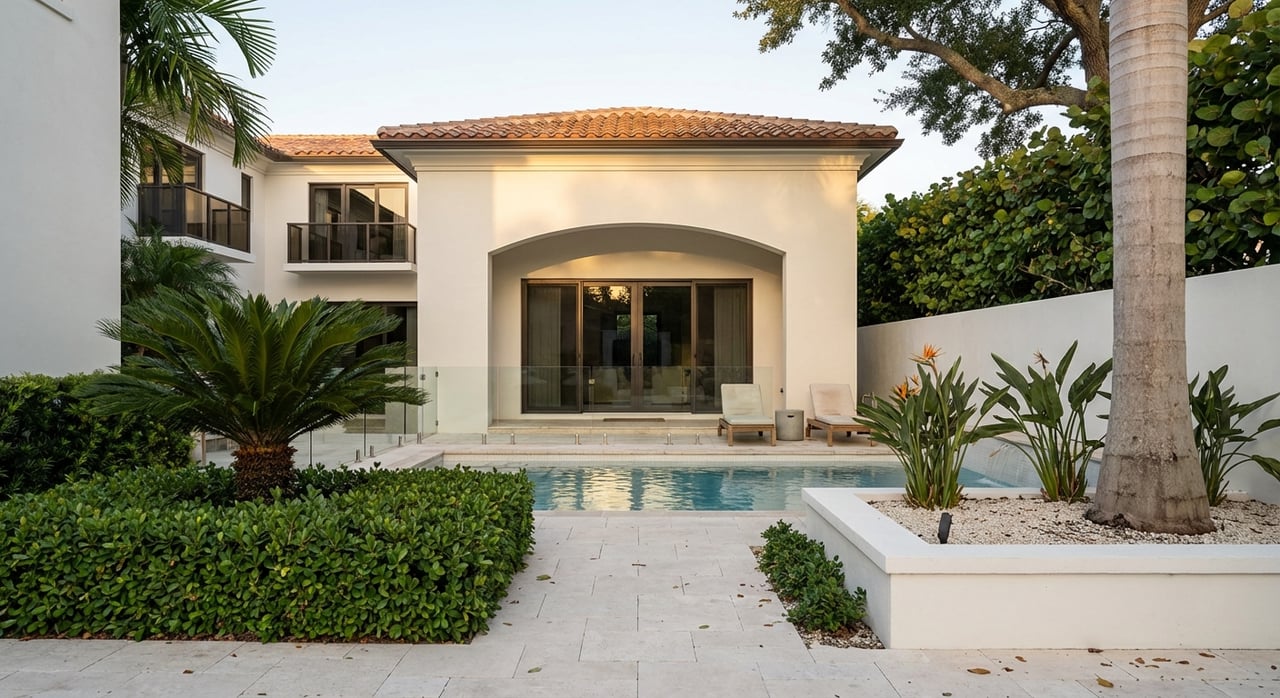
Wondering which John’s Island home style truly fits your life? With options ranging from turnkey oceanfront condos to private estate homes, it can feel hard to compare. You want the beach, golf, and club lifestyle without surprises about maintenance or rules. This guide breaks down the major property types, how they live day to day, and what to ask before you buy so you can move forward with confidence. Let’s dive in.
John’s Island at a glance
John’s Island is a private, gated club community in Indian River County with resort-style amenities, including three championship golf courses, a Beach Club, racquets, fitness and spa, croquet, dining, and a full social calendar. Membership is handled by the Club and is by invitation; you should confirm whether a specific purchase conveys or qualifies for membership using the Club’s published process. You can review the Club’s membership information and qualifications.
The community spans about 1,650 acres with a master-plan limit of roughly 1,380 residential properties, which helps protect its low-density feel. That cap is noted in the community’s official materials and news releases.
Home styles inside John’s Island
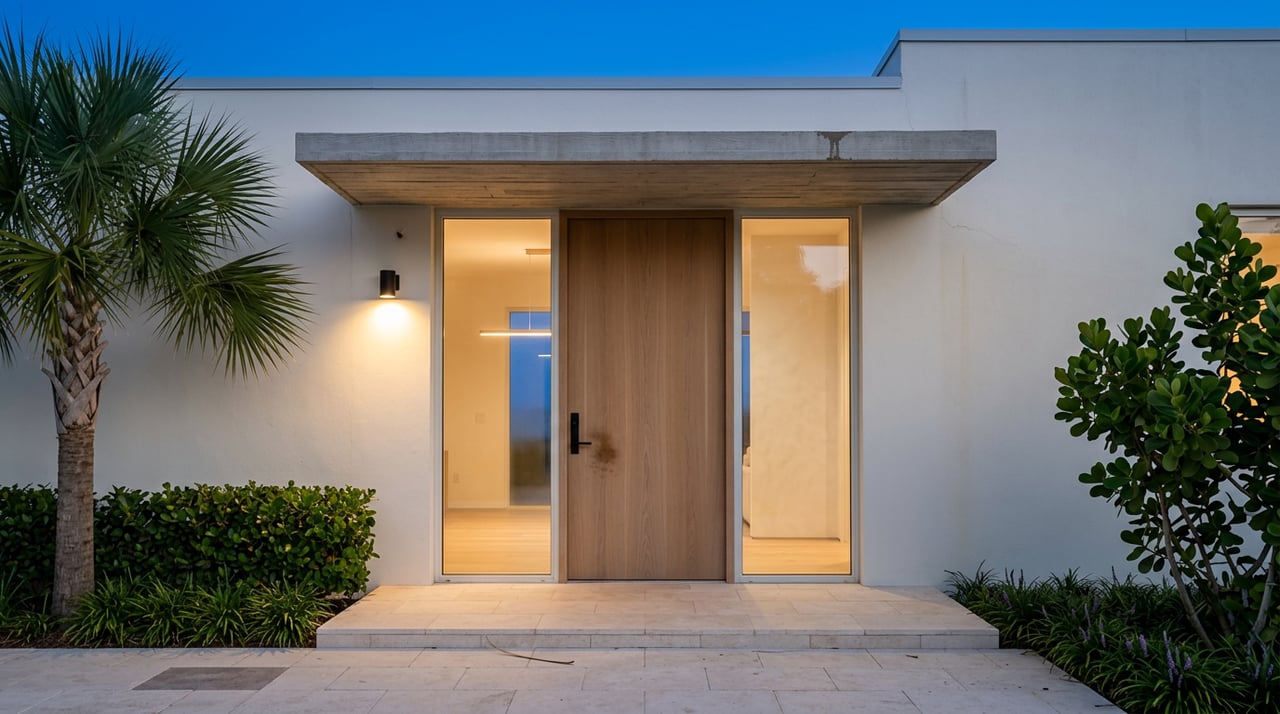
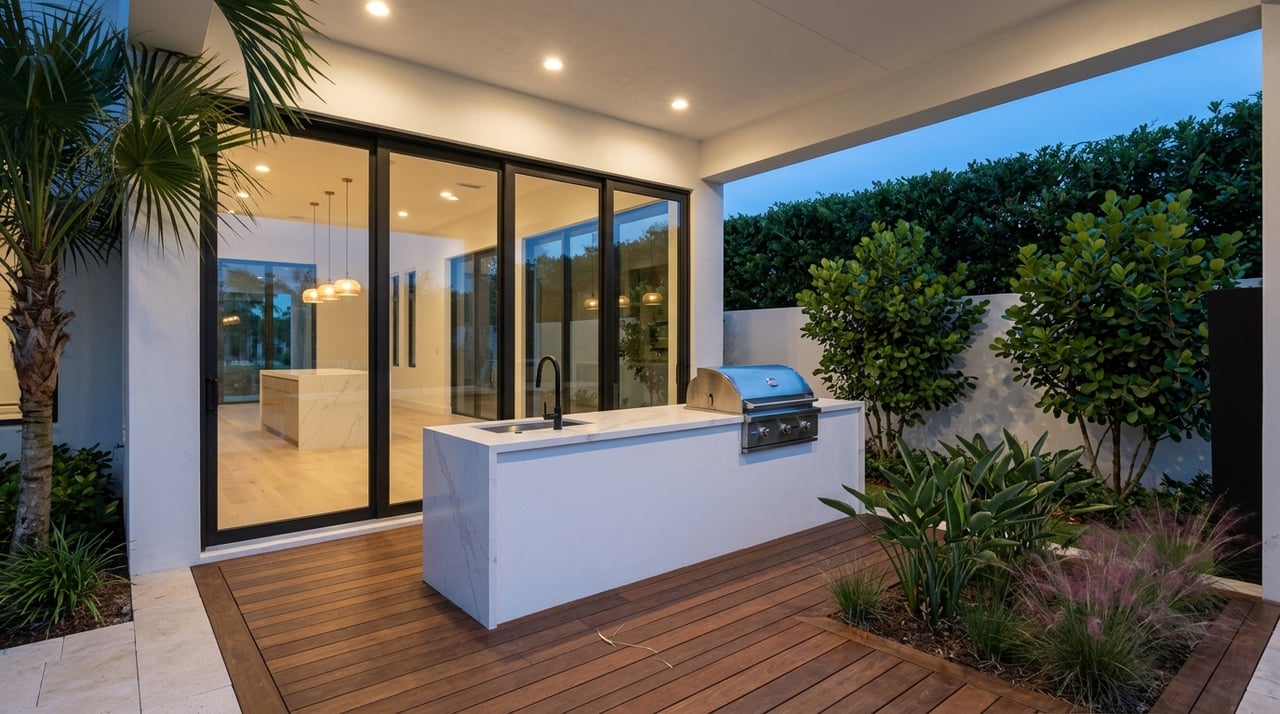
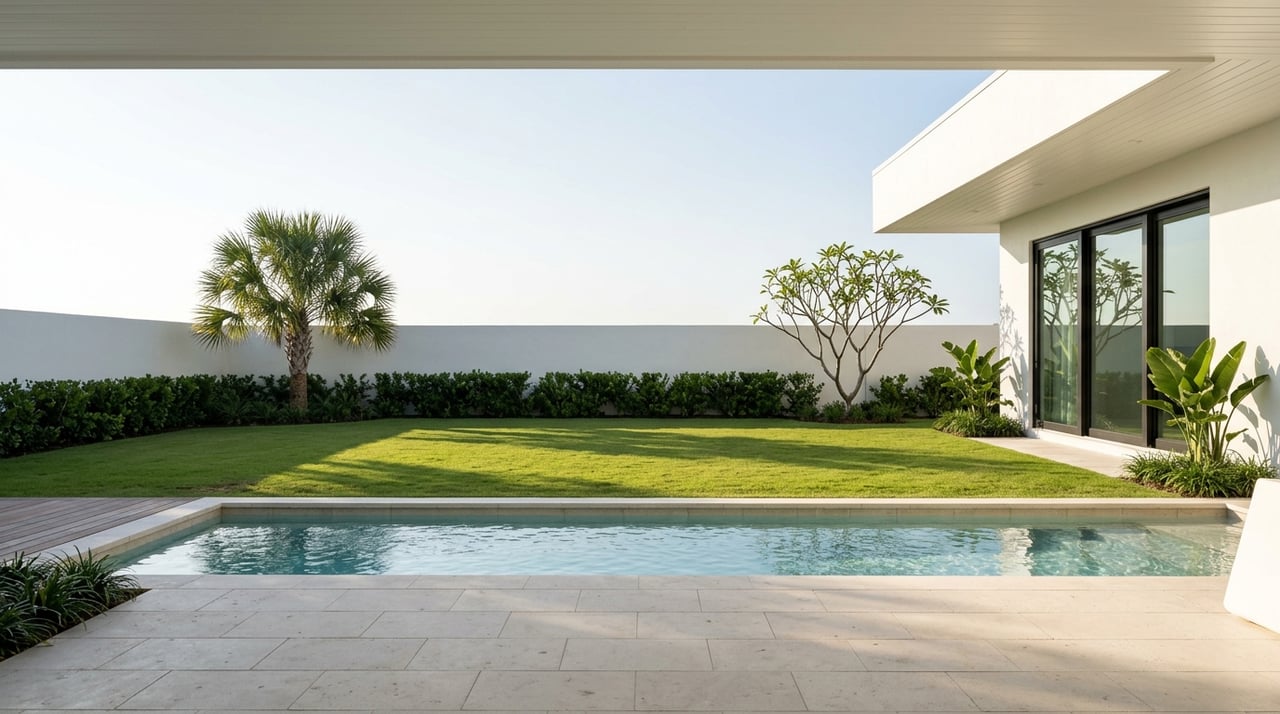
You will see a wide mix of property types. The four most common choices for buyers are single-family homes, villas, condominiums, and courtyard residences. The community’s official property types overview is a helpful visual reference as you compare.
Single-family homes
Single-family residences are the largest, most private homes in John’s Island. Many are sited on the ocean, river, or golf views. Typical layouts range from about 2,500 to 3,500 square feet and can scale well beyond that for custom estates. Plans often include 3 to 5 bedrooms, great rooms, lanais, private pools, and multi-car garages.
- Best if you want privacy, space to entertain, a yard, and possibly a private dock on riverfront lots.
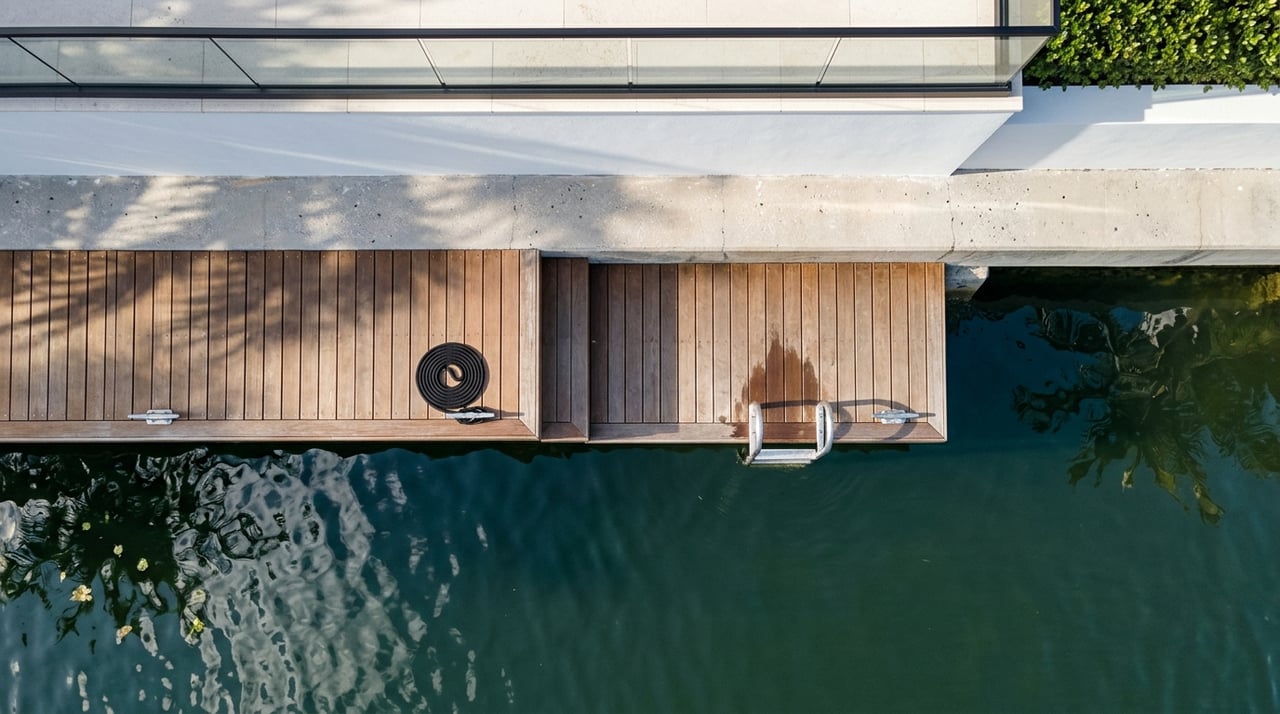
- Maintenance: you’ll manage pool service, landscaping, HVAC, roof and, on waterfront lots, dock and seawall upkeep. Permits for new or repaired waterfront structures can involve county, state and sometimes federal approvals. Review permit histories and obtain a marine and seawall report. For a concise permitting overview, see this Florida dock and seawall permitting summary.
Villas
Villas deliver an ocean-area experience with more privacy than a condo and less scale than a large home. South Beach Villas, for example, are Bermuda-style with classic two-bedroom formats, vaulted ceilings, covered terraces, and an attached garage. The typical footprint is around 2,300 square feet.
- Best if you want single-level living or limited stairs, a garage, and an indoor-outdoor flow near the beach without the upkeep of a large estate.
- Maintenance: many villas feel low maintenance due to smaller footprints and, in some neighborhoods, association support. Confirm whether a specific villa’s subassociation covers exterior or landscaping tasks.
Condominiums
Oceanfront condominium buildings line John’s Island’s private beach. Typical units run about 1,500 to 3,400 square feet in two- or three-bedroom layouts, often with lanais, secure parking, storage, and direct pool or beach access. The Island House is a unique oceanfront condominium option with two stories built around a private courtyard and pool; its suites are much smaller, around 590 square feet, and work well for light personal use or as guest accommodations.
- Best if you want turnkey beach access, minimal exterior maintenance, and a lock-and-leave lifestyle. Island House suites suit buyers who need minimal space steps from the Beach Club.
- Maintenance: associations typically handle the building exterior, common grounds, pools, and shared systems. Oceanfront buildings often have higher annual assessments. To see real-world scale, review a representative oceanfront listing with published maintenance figures, such as this 1000 Beach Road example, and confirm exact coverage and reserves before you buy.
Courtyard residences
Courtyard layouts, including Paget Court, are compact, garden-focused homes designed for privacy. Many plans are around 2,200 or 2,600 square feet and center living around an interior walled courtyard or terrace. Ownership is fee simple, and subassociations often maintain front lawns and common areas.
- Best if you want strong privacy and indoor-outdoor flow without the scale of a large estate.
- Maintenance: the courtyard form reduces the exterior perimeter you personally maintain. Confirm what the subassociation covers, including items like exterior painting, roof replacement, and pool care.
Match style to lifestyle
Location inside the community often tips the scale toward a certain home type. Here is how buyers commonly decide:
- Beach-first living: Oceanfront condos, South Beach Villas, and Island House suites put you closest to the Beach Club for daily sand-and-sea routines. Expect oceanfront association fees and coastal insurance considerations. Review the Club and home styles on the property types page.
- Racquets focus: Townhouse and cottage products in North or South Village and the Tennis Townhouses place you near the courts and Courtside Café.
- Golf access: Golf Cottages and fairway homes offer course views and short access to the clubhouse and tee times.
- Boating and river: Riverfront single-family homes and Gem Island estates can offer private docks where permitted. Budget for dock maintenance and seawall replacement over time.
- Ease of living: Condos, courtyard residences, and some villas reduce exterior maintenance. The trade-off is association fees and less private acreage.
The big trade-offs to weigh
Every property type asks you to balance convenience, privacy, and cost. Use these points to zero in on fit:
- Maintenance vs convenience: Single-family homes give full control and space, but you own more upkeep. Condos and many courtyard homes reduce exterior obligations in exchange for association fees.
- Proximity vs privacy: Villas and condos place you near the Beach Club and social hubs. Estates offer more land and separation but may be a longer walk or cart ride.
- Waterfront enjoyment vs capital exposure: Private docks and seawalls are premium lifestyle features, but repairs and replacements can be significant. Always review permits and condition reports.
- Turnkey use vs rules: Condos and some residences participate in owner-controlled rental programs, but you must follow both subassociation and Club policies.
Your John’s Island due-diligence checklist
Before you commit, request and review these items with the seller, association, and Club:
- HOA or subassociation budget and most recent reserve study. Ask about past and planned special assessments. Several subassociations use this management portal for documents.
- What the fee covers. Confirm coverage for building insurance, roofs, exterior painting, elevators, pools, landscaping, pest control, and security. Compare across buildings and villages using the community’s property types overview.
- Club membership status for the address you are buying. Membership is by invitation, and policies vary. Ask the Club directly and request written guidance from the membership office.
- Waterfront inspections. Obtain a seawall report, dock and boatlift inspection, and permit history. For process basics, review this Florida permitting primer.
- Flood zone and insurance. Verify the current FEMA flood zone and request any existing elevation certificate. Start insurance quotes early. Indian River County’s guidance is here: flood maps and resources.
- Rental and guest policies. If rental flexibility matters, confirm subassociation rules and the Club’s approval process. The official program overview is here: John’s Island rentals.
- Building and system condition. Prioritize coastal roof attachments, salt-air corrosion, HVAC age, pool systems, and structural supports. For big-picture context on what luxury buyers should weigh locally, see this Vero Beach market guide.
A simple way to choose
Ask yourself three quick questions:
- How often will you be here? If you plan seasonal or part-time use, a condo or courtyard home may be the easiest lock-and-leave.
- What do you want to do daily? If it is beach first, focus on oceanfront buildings and South Beach Villas. If it is boating, look hard at riverfront single-family.
- How much maintenance do you want? If you prefer predictability and shared responsibility, condos or courtyard residences can be ideal. If you want maximum control and space, focus on single-family.
Ready to explore on-site and compare options in person? Request a private tour and a tailored shortlist that aligns with how you live.
If you would like a thoughtful introduction to John’s Island living, curated property matches, and help navigating Club and association details, connect with Catherine Curley. Request a private consultation, and let’s map the right home style to your lifestyle.
FAQs
Is membership required to buy in John’s Island?
- Membership is by invitation, and policies vary by property. Confirm whether a specific purchase conveys membership rights directly with the Club before you go under contract.
Do condo fees cover all maintenance?
- Condo associations usually handle exterior, grounds, common pools, and shared systems, but coverage differs by building. Always review the budget, reserves, and a key-facts sheet.
Who maintains a private dock or seawall?
- Typically the parcel owner. Repairs or replacements may require county, state and sometimes federal permits. Get a condition report and permit history before closing.
Can you rent out your John’s Island home?
- Some residences participate in rental programs, but all rentals and guest access are governed by subassociation rules and Club approval. Verify both sets of policies in writing.