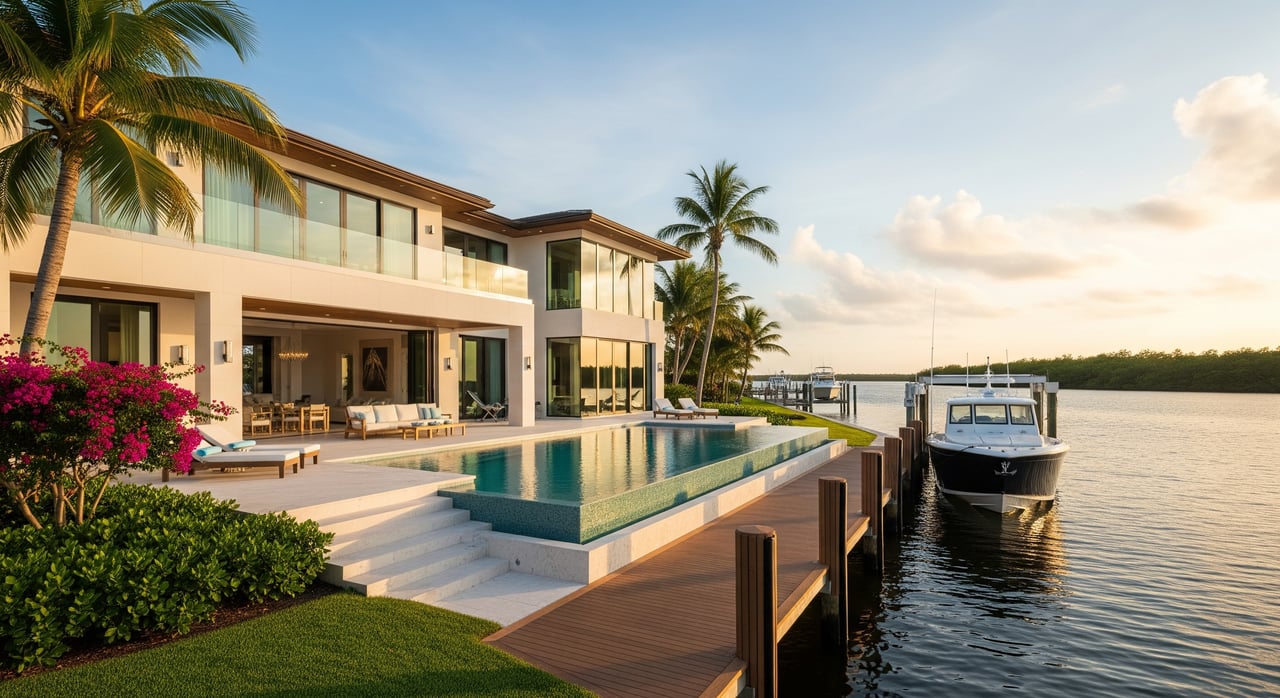
Considering a luxury home in Vero Beach but unsure where to start? You want the right water access, resilient construction, and a clear plan for insurance and timing. In this guide, you’ll learn how luxury is defined locally, where the true premiums are, what to watch on the barrier island, and the due diligence steps that protect your investment. Let’s dive in.
Define luxury in Vero Beach
Luxury typically means the top tier of a market. Many professionals define it as the top 10 percent of sold prices in a given area. In coastal Florida, that often aligns with homes priced around $1 million and above, though the exact number shifts over time.
For clarity in Vero Beach, you can think of luxury as properties at or near $1 million and up or those in the top price percentile. The right definition for you depends on your goals. If you plan to compare neighborhoods, the percentile approach helps. If you’re exploring options quickly, a price threshold keeps the search simple.
Recent years brought strong demand for Florida’s coastal luxury markets, especially during the pandemic period. Since 2023, many areas saw moderating price growth, yet limited inventory continues to support premium pricing for high-quality waterfront homes. If you want the latest numbers on pricing, days on market, and cash activity for Indian River County’s upper tier, review current local MLS and county reports before you write an offer.
Barrier island inventory
Vero Beach’s barrier island has a fixed supply. Setbacks, coastal rules, and a limited number of buildable lots make inventory scarce. Owners also tend to keep these homes longer, especially second-home and seasonal owners, which means fewer new listings and a consistent premium for the best-located properties.
Oceanfront vs intracoastal vs near-beach
- Oceanfront homes on the Atlantic command the highest prices per foot. Unobstructed views, direct beach access, and privacy are the core drivers.
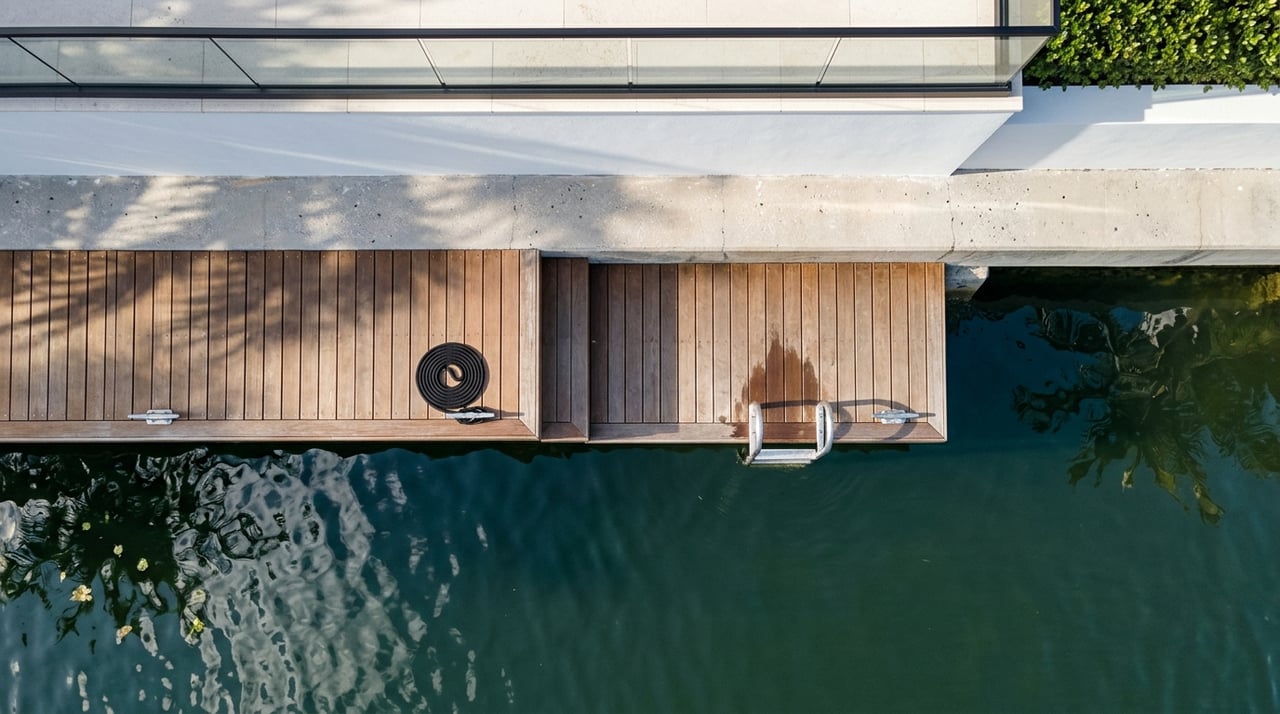
- Intracoastal properties along the Indian River often trade just below oceanfront but carry significant value, especially with private docks and deep-water access.
- Near-beach properties, including homes within easy access to the shoreline, offer lifestyle proximity at a relative discount to direct waterfront.
Condos, villas, and cottages
You will find boutique or low-rise luxury condos with direct beach access or river views, plus in-town villas and older cottages that have been thoughtfully updated. Many buyers value turnkey units with secure parking, elevators, and modern systems. Renovated and well-maintained properties tend to move faster than those needing major coastal retrofitting.
Newer coastal construction
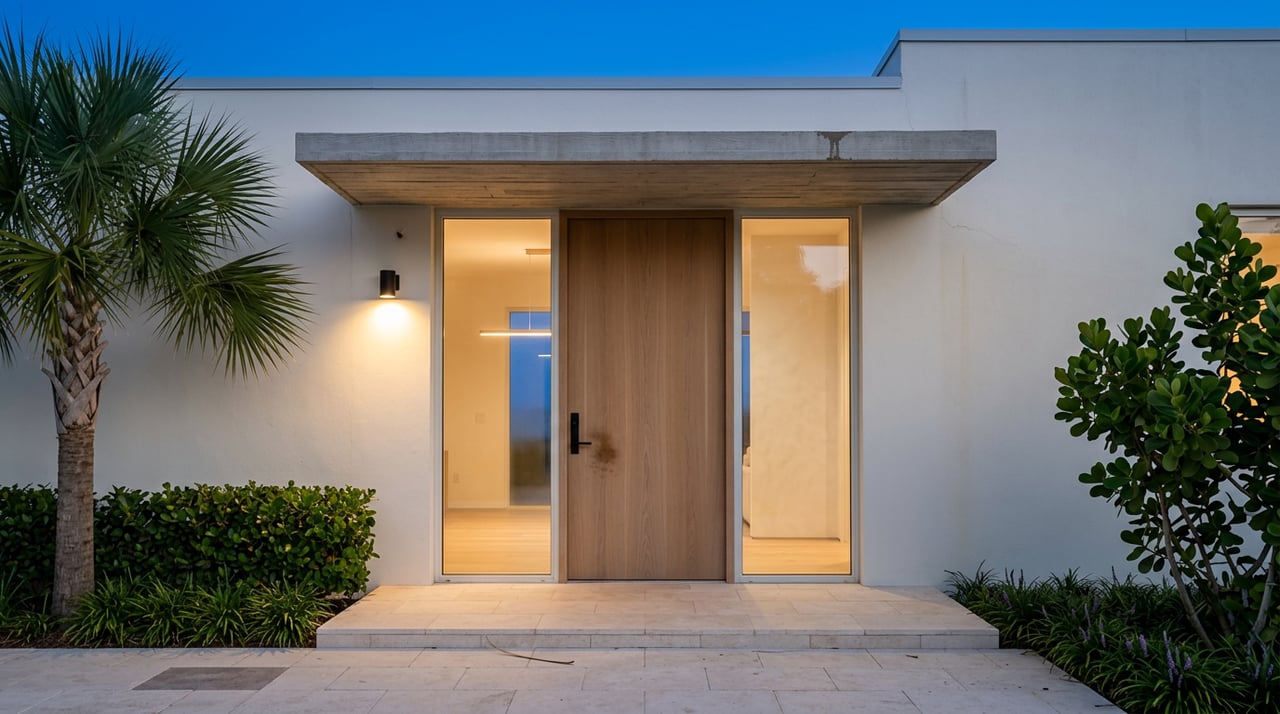
Buyers often pay a premium for homes built or substantially updated to modern coastal standards. Features that matter include higher finished-floor elevation, impact-rated windows and doors, reinforced roof-to-wall connections, whole-home generators, and coastal-grade materials. Elevators, climate-controlled garages, EV charging, and smart-home systems also contribute to value.
Seawalls, dunes, and shoreline work
On riverfront parcels, seawall condition is a major factor in both valuation and inspections. Repairs can be significant, so you should budget for specialist evaluations. On the ocean side, dune health and beach access influence desirability. Understand recent shoreline work and any planned nourishment or maintenance that could affect enjoyment and cost.
Rules that shape potential
Coastal construction lines, FEMA flood zone designations, elevation requirements, and local zoning guide what you can build and how you can expand. Lot coverage, setbacks, and environmental protections can limit subdivision or additions. These rules help preserve the coastline and also help explain why inventory remains scarce.
Seasonality and timing
Peak luxury activity on Florida’s east coast typically runs from late fall through spring, roughly November through April. Buyer traffic increases in the cooler months, which is when more listings hit and showings pick up.
- In winter, expect stronger competition for turnkey properties. Sellers may have more leverage if a listing is priced well and move-in ready.
- In the summer off-season, you may find quieter conditions and negotiation room on homes that stayed on the market, but there will likely be fewer fresh options to compare.
- If you plan to build or significantly renovate, consider permitting timelines and contractor availability. Starting complex projects during peak storm season can be challenging.
In the luxury segment, off-market and private channels are common. Well-connected local agents often surface properties before they reach the MLS, especially for high-profile or ultra-premium homes.
What drives pricing
Primary value drivers
- Waterfront type and exposure. Direct Atlantic frontage leads the market, followed by riverfront with docks, then near-shore properties. Orientation and unobstructed views matter.
- Elevation and flood exposure. Higher elevation and locations outside high-risk flood zones tend to carry premiums and may reduce insurance exposure.
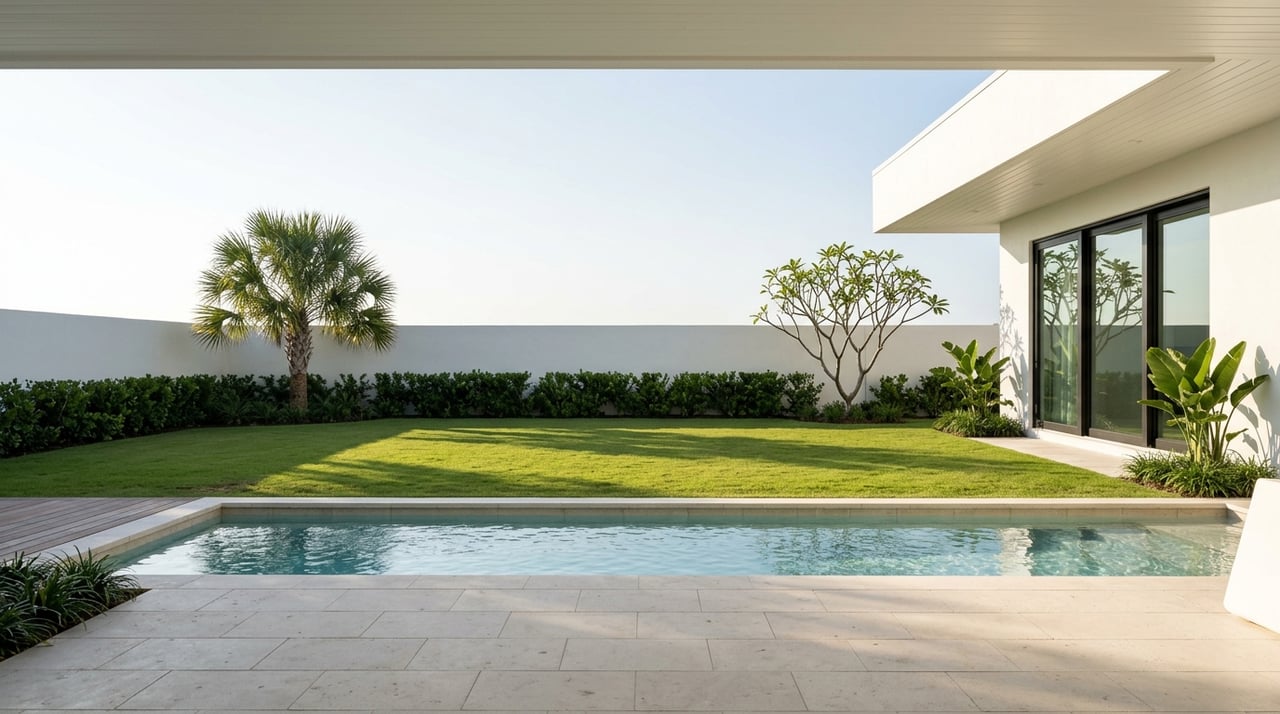
- Lot size and privacy. Larger parcels with mature landscaping, long driveways, and privacy buffers are highly prized.
- Construction quality and condition. Coastal-grade builds, impact glass, robust roof systems, and turnkey interiors attract top-tier offers.
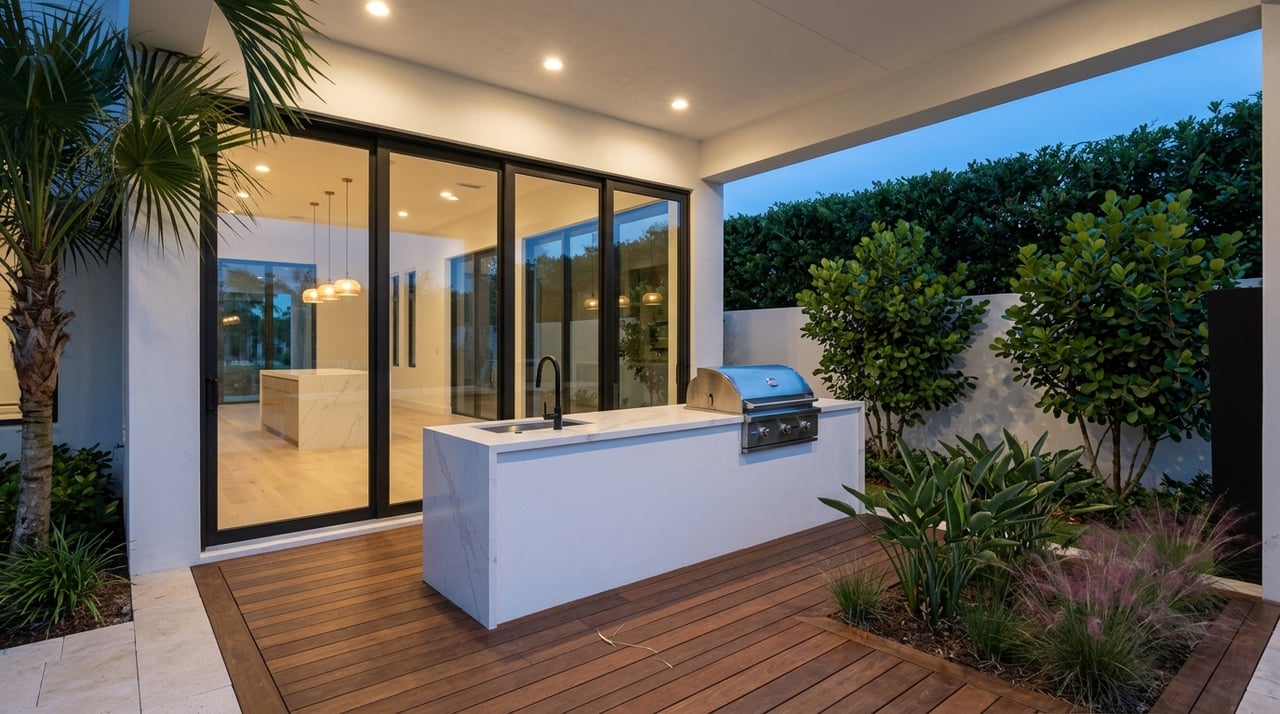
- Amenities. Private docks, deep-water access, pools, guest suites, elevators, smart systems, and chef-level kitchens add measurable value.
- Community proximity. Access to clubs, golf, marinas, fine dining, and cultural venues supports demand.
Secondary drivers
- Privacy and security features, including gates and thoughtful site design.
- Architectural pedigree or notable history, when documented.
- Access to airports, top medical services, and major business hubs for seasonal or bi-coastal owners.
Potential price depressors
- Higher wind and flood insurance costs, or limited carrier options, can impact holding costs.
- Deferred seawall or dock maintenance and long permitting timelines can deter buyers.
- Proximity to busy roads or limited beach access can reduce appeal for certain segments.
Coastal due diligence
The right due diligence helps you protect value and avoid surprises. Start early, line up specialists, and review documentation thoroughly.
Insurance and climate risk
- Confirm FEMA flood zone and request an elevation certificate when applicable. If financing in higher-risk zones, flood insurance is typically required.
- Review windstorm insurance details, including carrier history and current premiums. Insurance availability and pricing can change. Get quotes early and factor premiums into your budget.
Marine and shoreline
- Order a seawall inspection by a qualified marine contractor for riverfront properties. Identify age, condition, prior repairs, and expected maintenance.
- Verify dock permits, riparian rights, and water depth if boating is a priority.
Permits and construction history
- Request the full permit history and certificate of occupancy for major renovations or new builds. Confirm compliance with coastal regulations and any work seaward of the coastal construction line.
Condo or HOA review
- For condominiums or HOA communities, obtain estoppel letters, reserve studies, meeting minutes, current insurance policies, and any litigation disclosures.
Environmental and utilities
- Check for septic versus sewer connections and any conservation overlays or species habitat buffers that may affect use.
Inspections to schedule
- Full structural and systems inspection, with attention to elevated foundations and fasteners.
- Seawall and dock structural review.
- Elevation certificate and floodplain analysis.
- Wind mitigation inspection to document premium-reducing features.
- Boundary survey with attention to waterline boundaries.
- Mold and pest inspections common to Florida’s climate.
- Pool, generator, HVAC, and whole-home systems evaluation.
Financing and offers
Many buyers purchase with cash in the upper tiers, but financing remains common. If you plan to finance, choose a lender with coastal property experience. Appraisals for oceanfront or low-elevation homes must reflect coastal risks and unique comparables.
When you write an offer, align your terms with your goals:
- Use a proof of funds or strong pre-approval from a lender familiar with local underwriting.
- Build in timelines for specialty inspections like seawalls and docks.
- Clarify inclusion and exclusion lists for high-end fixtures, art, window treatments, and smart-home systems.
- Address prior storm damage, insurance claims, and recent repairs in writing.
- Expect that ultra-premium properties may trade quietly or off-market. A local agent’s network can expand your access and give you a clearer view of what fair value looks like in micro-locations.
Work with a local advisor
Luxury on Vero Beach’s barrier island is about more than price. It is about lifestyle, privacy, and long-term enjoyment on the coast. You benefit from a guide who understands shoreline rules, construction standards, club access, and off-market channels.
With more than $200 million in lifetime sales and notable transactions including buyer representation in a $20 million Riomar Bay sale, Catherine “Cathy” Curley pairs boutique hospitality with seasoned negotiation and the reach of a top local brokerage. Her concierge approach includes thoughtful introductions and smooth, discreet processes tailored to high-net-worth buyers.
If you are exploring oceanfront, intracoastal, or near-beach opportunities in Indian River County, connect early to discuss strategy, seasonality, and the right shortlist for your goals. Ready to take the next step? Request a private consultation with Catherine Curley.
FAQs
What defines a luxury home in Vero Beach?
- Many use the top 10 percent of sold prices or a $1 million-plus price band, with the exact threshold varying over time and by micro-location.
How does seasonality affect buying on the barrier island?
- Peak activity is November through April with stronger selection and more competition, while summer often brings quieter conditions but fewer new listings.
Why are oceanfront homes priced above intracoastal or near-beach?
- Direct Atlantic frontage offers unobstructed views and beach access, creating the highest per-foot values compared with riverfront and near-shore properties.
What insurance steps should I take before making an offer?
- Confirm flood zone and elevation, obtain early flood and wind quotes, and review current policy history to understand availability and costs.
How important is seawall or dock condition for riverfront homes?
- Very important, since repairs can be significant; a professional marine inspection helps you budget, negotiate, and plan maintenance.
Can I expand or rebuild easily on the coast?
- It depends on coastal setbacks, elevation rules, lot coverage, and environmental protections; review permits and consult local experts before committing.
Are off-market listings common at the high end?
- Yes, private networks and pocket listings are frequent in the luxury segment, so a well-connected local agent can broaden your access beyond the MLS.