You want the water at your doorstep, but buying on the coast comes with details that can make or break your experience. In Indian River County, the right choice often starts with a simple question: oceanfront or lagoon. You care about privacy, safe dockage, permits, and insurance that actually works when you need it. This guide lays out the key tradeoffs, inspections, and next steps so you can move forward with confidence. Let’s dive in.
Waterfront options and tradeoffs
Oceanfront on the barrier island
If you want direct beach access and sunrise views, oceanfront delivers. You will also plan for stronger wind exposure, potential storm surge, and coastal erosion. Dune protection rules and Florida’s Coastal Construction Control Line may affect future changes to the home or lot. Lighting restrictions and sea turtle nesting protections are common along the beach.
Lagoon and ICW frontage
Lagoon/ICW properties along the Indian River Lagoon offer calmer waters and easier day-to-day boating. You are often closer to marinas and services, and you can reach the ocean through Sebastian Inlet. Surge and salt exposure still matter, but wave energy is typically lower than on the open Atlantic.
Canals and natural shoreline
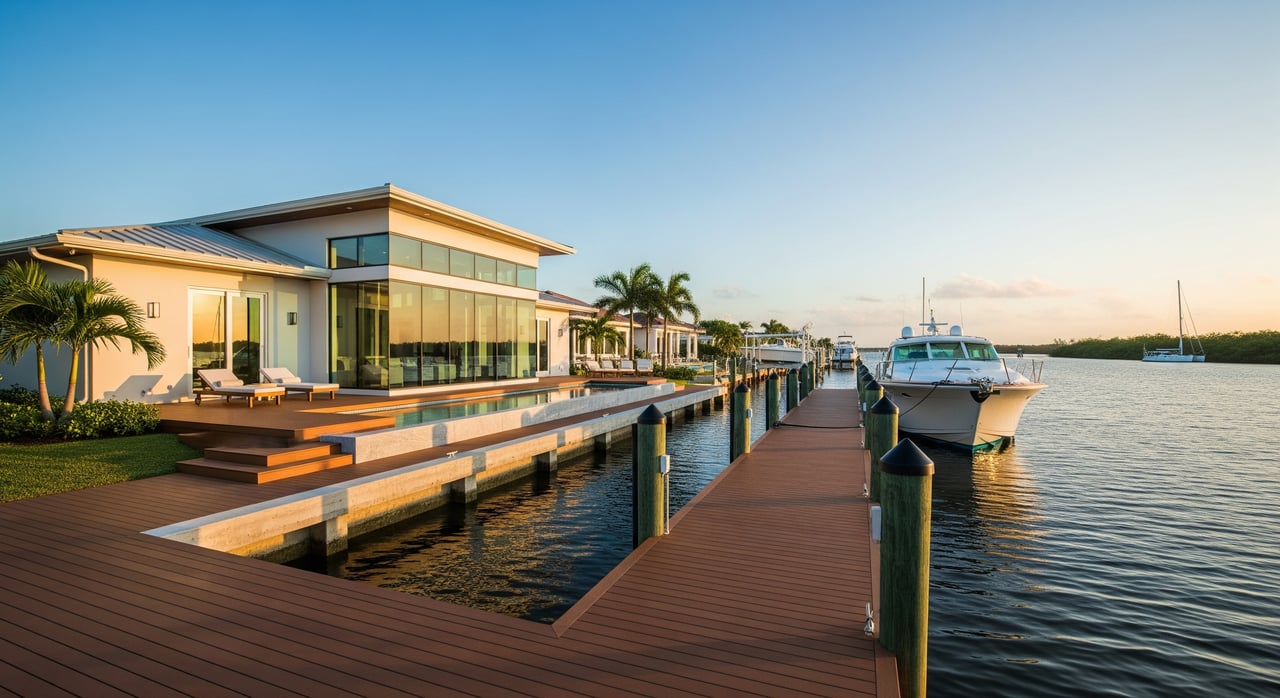
Some homes sit on private canals with bulkheads and private docks. Depth varies by canal and can affect your boat’s draft. Natural mangrove or marsh shorelines are protected in many areas, which can make docking or trimming more complex and permit dependent.
Risk, insurance, and elevation
Flood and wind coverage are essential parts of any coastal purchase plan. If a property is in a Special Flood Hazard Area, a lender will usually require flood insurance. You can compare NFIP policies with private flood options, especially for high-value homes. Ask for an elevation certificate early, and verify wind-mitigation features like impact-rated windows and roof attachments because they can influence premiums. Request indicative quotes from brokers who work with Florida waterfront before you finalize an offer.
Inspections that protect you
Seawalls and shoreline
Have a seawall or bulkhead specialist evaluate the wall’s age, cap condition, tie-backs, signs of movement, and scour. Confirm past repairs and permits. On oceanfront lots, review dune stability, vegetation, and any beach renourishment history that could affect access and insurability.
Docks, pilings, and boatlifts
Order a marine survey to check pilings for rot or corrosion, fasteners and connections, lift capacity, and dock electrical safety. Verify that the dock and lift were built with permits and match what is recorded. Ask for maintenance logs.
Structure, systems, and finishes
Salt air accelerates wear. Inspect roof condition and attachments, impact windows and doors, exterior coatings, HVAC units near salt spray, and any exposed metal. Add mold and moisture testing since humidity is high in coastal settings. For elevated or pile homes, have a structural pro confirm foundation condition and code-compliant breakaway elements where required.
Survey and elevation documentation
Order a current boundary survey that shows the mean high water line, any bulkhead lines, and dock locations. Ask for or obtain an elevation certificate to support flood rating and mitigation planning. Confirm there are no encroachments or title issues related to shoreline structures.
Permitting and coastal rules
Florida’s Coastal Construction Control Line creates a special permitting zone near the beach. Projects like dune work, beach stairs, or major structural changes often require approvals. Seawall repairs, new docks, mangrove trimming, and dredging can trigger permits from county agencies, Florida DEP, and in some cases the U.S. Army Corps of Engineers. Barrier island lighting is regulated to protect sea turtles. Because shoreline ownership can reference tidal lines, engage a local coastal real estate attorney to review deed descriptions, riparian rights, and any public access easements.
Boating and marina access
Decide whether a private dock or a marina slip better fits your boating life. Depth at mean low water, dredging history, and bridge clearances determine which vessels can reach Sebastian Inlet and the ocean. Larger or deep-draft yachts should verify channel depths and fixed-bridge heights in advance. Marinas may have membership rules, haul-out capabilities, fuel, and security that appeal to frequent boaters. Local captains and marina managers are helpful resources for inlet conditions and best practices.
Step-by-step due diligence
Use this streamlined checklist to move from interest to offer:
- Clarify your priorities: oceanfront privacy vs. lagoon dockage and boat size.
- Ask your agent for recent waterfront comps and neighborhood context.
- Obtain a boundary survey showing mean high water and all shoreline structures.
- Get or order an elevation certificate to inform flood insurance quotes.
- Pull title, recorded dock and seawall permits, and any easements.
- Review HOA/CC&Rs for dock rules, exterior changes, and rental policies.
- Schedule inspections: home, seawall/bulkhead, marine survey, structural, mold/moisture, and termite.
- Confirm CCCL status and any coastal permits tied to the property.
- Determine FEMA flood zone and Base Flood Elevation.
- Request preliminary wind and flood quotes from waterfront-savvy brokers.
- Verify marina availability, slip sizes, draft, and waitlists if you need off-site mooring.
- Consult a coastal real estate attorney on title, riparian rights, and access.
Lifestyle planning for HNW buyers
Beyond the shoreline, consider security, guest parking, and service access for contractors who understand saltwater environments. Many clients value proximity to hospitals, schools, and airports for ease of travel. If club life or youth programs are part of your plan, factor in membership timelines and nearby options. A thoughtful move-in plan helps you enjoy the home from day one.
Work with a trusted local advisor
When you buy on the water, details matter. Catherine “Cathy” Curley brings a luxury deal pedigree with more than $200M in sales and headline transactions that include buyer representation in a $20M Riomar Bay sale. She specializes in barrier island waterfront and in-town coastal properties, blends boutique concierge service with a leading local brokerage platform, and offers helpful introductions to clubs and schools when you are relocating. For discreet guidance, curated options, and expert negotiation, connect with Catherine Curley.
FAQs
Do I need flood insurance for Indian River County waterfront?
- If the home is in a Special Flood Hazard Area, lenders generally require flood insurance; even outside these zones, many waterfront owners choose to carry it.
What inspections are most important for a waterfront home?
- Prioritize a seawall/bulkhead inspection, marine survey for docks and lifts, full home inspection with salt-related focus, structural review, and mold/moisture testing.
Can I add or replace a dock on a lagoon property?
- Possibly, but you will likely need permits from county and state agencies, and protected habitats like mangroves or seagrass can limit design and placement.
How does the Coastal Construction Control Line affect oceanfront homes?
- Properties seaward of the CCCL face additional rules on construction and dune alterations, which can influence renovation plans and timelines.
What should boaters check before buying along the ICW?
- Confirm water depth at mean low tide, bridge clearances along your route, access to Sebastian Inlet, and marina or slip availability for your vessel size.
Who maintains seawalls between neighboring properties?
- Owners typically maintain their own seawalls; verify recorded permits and any shared maintenance agreements in the title documents.