Thinking about trading city buzz for ocean breezes, sunrise golf, and a walkable club lifestyle? If John’s Island Club in Indian River County is on your radar, you likely want privacy, first‑class amenities, and an easy way to plug into the community. This guide gives you a practical picture of membership basics, fitness and racquet culture, beach and boating access, dining and social calendars, and the day‑to‑day details that make life run smoothly. You will also see how a concierge approach helps you settle in faster and stress less. Let’s dive in.
John’s Island at a glance
You are joining a private, gated residential club community on Florida’s Treasure Coast near Vero Beach. The setting blends Atlantic beaches and the Intracoastal Waterway with a refined, hospitality‑driven culture. The club emphasizes golf, racquets, waterfront living, and an active social calendar for both full‑time residents and seasonal homeowners.
Expect a seasonal rhythm. Many members arrive for the winter months, roughly November through April, which brings a fuller social calendar and a lively pace of events. Summers feel quieter, and you still enjoy warm weather, long beach days, and simpler reservation logistics.
Climate is subtropical, with hot, humid summers and mild winters. Hurricane season runs June 1 through November 30, so planning for storms and insurance is part of coastal living.
Membership and onboarding
Membership basics
Private clubs like John’s Island typically offer tiered memberships such as full or golf, racquets, sports, and social. These often include an initiation fee, annual dues, and food and beverage minimums, along with per‑use fees for lessons, clinics, or events. Some clubs are equity with member ownership and approvals, while others are proprietary. For John’s Island specifics, confirm current categories, waitlists, sponsorship needs, and fees with the membership office.
Getting situated fast
A smooth start begins with a welcome orientation. You review facilities, booking systems for tee times and courts, dining reservations, and key contacts. A personalized concierge helps with introductions to committees, pro staff, and interest groups, and sets up lessons, social events, and guest privileges. Early on, you should:
- Activate your member account and ID.
- Complete guest and visitor forms and review policies for children, guests, carts, and dress codes.
- Set up access control for gates and any keycards or RFID tags.
- Turn on billing for dues and food and beverage.
What to confirm before you buy
- Whether membership is required with a property purchase, and how transfers work.
- Guest rules and reciprocal club privileges.
- Junior or age‑based memberships and any fee adjustments.
- Capital policies, reserve planning, and potential assessments.
Fitness and racquet life
Fitness facilities and programs
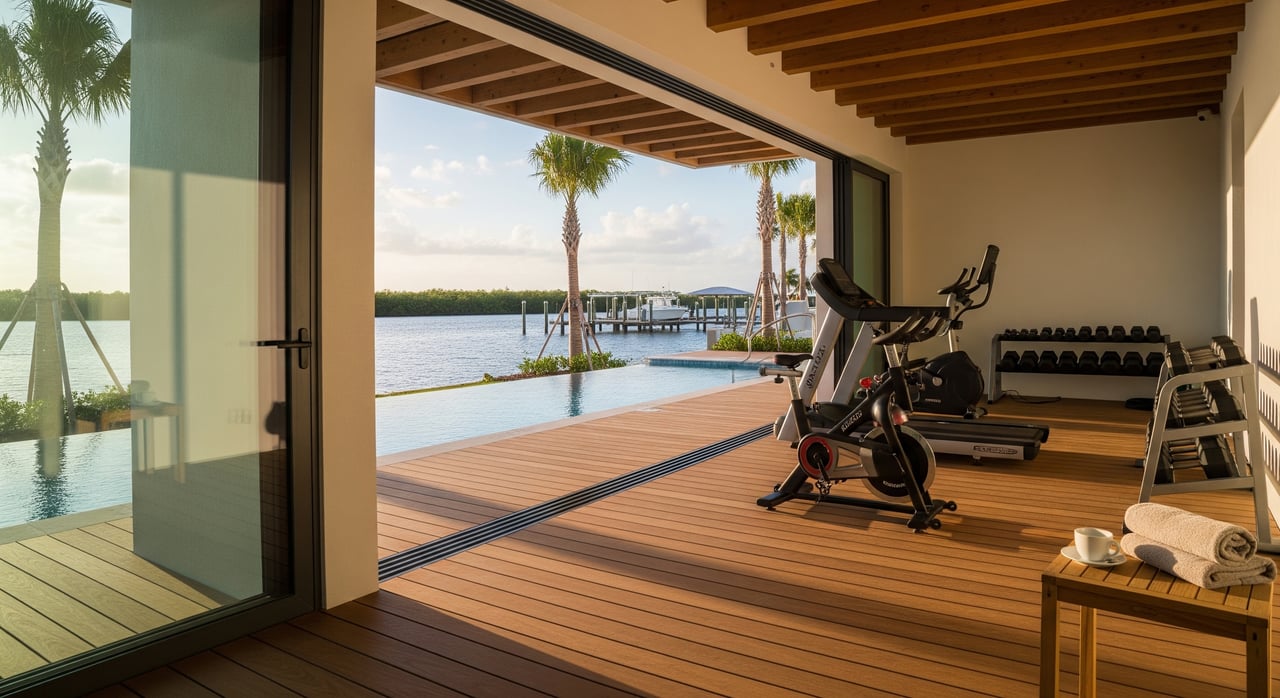
You can expect a modern fitness center with personal training, group classes like yoga, Pilates, spin, and barre, and aquatic options such as lap or resort‑style pools. Wellness services may include massage and guided recovery. Many club programs integrate golf‑specific conditioning, swing fitness, and racquet‑athlete training so you perform well on the course and courts.
Tennis, pickleball, and organized play
Racquet culture is a core part of club life. Private clubs commonly feature multiple tennis courts and dedicated pickleball facilities, supported by a professional staff for private instruction, clinics, and junior development. Organized play is popular, including men’s and women’s leagues, rated ladders, round robins, interclub matches, and seasonal tournaments. Confirm the current racquet lineup and schedule with the club so you can pre‑book instruction during your first weeks.
Golf program overview
Plan for a full golf ecosystem that covers instruction, practice areas, handicapping, and social play. Typical elements include:
- Advance booking windows for tee times and pace‑of‑play policies.
- Private lessons and coaching for all levels, plus on‑course playing partners programs.
- Seasonal tournaments like member‑member, member‑guest, charity outings, and championships.
- Dress codes for practice areas and courses.
For precise course counts, recent renovations, and tournament dates, check the club’s current calendar and pro shop updates.
Beach and waterfront access
You will enjoy ready access to Atlantic beaches and the Intracoastal Waterway. Many club communities offer beach facilities with chairs, umbrellas, showers, and cabanas, along with dining or snack options. Coastal stewardship matters here, especially during sea turtle nesting season, so expect rules that protect dunes and wildlife.
If boating is part of your plan, review marina or boat slip options, launch policies, and storage for kayaks and paddleboards. Follow state and local boating regulations, and ask about navigation tips for inlets and channels. Safety briefings and local rules are worth a review before your first outing.
Dining and social life
A private club dining landscape usually spans casual cafes, poolside grills, and a signature dining room for dressier nights. Venues often have their own reservation policies and dress codes. The food and beverage culture typically features wine dinners, chef‑led tasting events, themed nights, and seasonal festivals. Many members also host private celebrations and philanthropic galas with club support.
Social programming helps you meet people fast. Expect active affinity groups such as bridge, book clubs, wine and culinary circles, arts and conservation groups, fitness cohorts, and seasonal committees. Holiday parties and opening or closing season events serve as anchors. Clubs publish detailed monthly or seasonal calendars, send weekly email updates, and maintain member portals or apps for reservations and sign‑ups. Ask the concierge to pre‑register you for interest groups so you start with a full calendar.
Everyday living essentials
Home setup and vendors
High‑service living relies on vetted providers. Typical needs include housekeeping, landscaping, pool maintenance, alarm and monitoring, property management, and trades such as HVAC and roofing. Your concierge or community office usually maintains a preferred‑vendor list. Early tasks include activating utilities, selecting high‑speed internet and TV options, and scheduling any appliance servicing.
Groceries and shopping
You have access to regional supermarkets and specialty grocers in the Vero Beach and Indian River County area. Many households use personal shoppers, delivery services, or club‑recommended meal prep and catering. For boutiques and galleries, explore Vero Beach’s local shopping districts. When you want broader luxury retail, you can day‑trip to larger metro areas.
Healthcare access
Primary hospitals and urgent care facilities are located in Vero Beach and the wider Indian River County region. For certain subspecialties, you may travel to larger metros such as Palm Beach, Melbourne, or Orlando. If you have specific health plan needs, confirm local physicians who accept your coverage and clarify referral networks for specialists.
Schools and youth programs
Families can choose from public schools in the Indian River County School District and private independent schools in the broader Vero Beach area. Review enrollment timelines, attendance zones, and capacity, and coordinate your school calendar with the club’s junior programs. In‑club options often include junior golf and tennis, swim activities, summer camps, and arts programs. Early sign‑ups help your kids find their circles quickly.
Travel and transport
You have several airport options. Vero Beach Regional offers limited commercial service. Typical major access points include Palm Beach International, Orlando International, and Melbourne Orlando. Private aviation via FBOs is common for high‑net‑worth residents. Car ownership is standard, ride‑share availability varies, and many members rely on concierge‑arranged town car or chauffeur services for airport runs and evening events.
Weather, insurance, and governance
Hurricane planning is part of life on the coast. Hurricane season runs from June 1 to November 30, so build a plan that covers storm shutters, roof and hardware maintenance, and evacuation procedures. Use FEMA flood maps to understand your flood zone and insurance needs. In many coastal areas, flood insurance is separate from a standard homeowner policy, and wind or windstorm coverage can be a stand‑alone line. Ask your broker about mitigation credits for shutters and other reinforcements.
Florida has no state income tax. Property taxes and millage rates are set locally, and the Florida homestead exemption can reduce taxes for a primary residence. Review transfer and documentary stamp taxes and typical closing costs, and ask how rules differ for second‑home buyers.
Expect community standards. Most gated neighborhoods rely on covenants, conditions and restrictions and an architectural review process for exterior improvements. Plan for regular HOA dues and the possibility of special assessments for capital projects. Many private communities restrict or prohibit short‑term rentals, so confirm any leasing plans before you buy.
A concierge move‑in plan
A curated onboarding makes your first season feel effortless. Use this timeline to focus your first month.
Pre‑arrival
- Receive a welcome packet, member portal login, ID cards, and gate access setup.
- Schedule your orientation tour of golf, racquets, fitness, and dining.
- Pre‑book two or three social events, plus initial golf or tennis lessons and dining reservations.
First week
- Meet committee chairs, pro staff, and leaders of your favorite interest groups.
- Complete tech setup for billing, reservation apps, house account, and emergency contacts.
- Activate trusted vendors for housekeeping, lawn care, and pool service.
First month
- Enroll children in club junior programs and begin any school enrollment steps.
- Establish your healthcare team and identify a local pharmacy and urgent care.
- Learn seasonal routines such as arrival and departure checklists, mail and package forwarding, and security procedures.
A thoughtful plan keeps you engaged, organized, and ready to enjoy the best of club life from day one.
If you want a discreet, turnkey path into John’s Island living, with introductions that open the right doors, reach out to Catherine Curley for a private, concierge consultation tailored to your goals.
FAQs
How does John’s Island Club membership typically work?
- Private clubs often offer tiered memberships with initiation fees, annual dues, and food and beverage minimums. Confirm current categories, waitlists, and approvals with the club.
Is membership required when buying a home in John’s Island?
- Membership requirements can vary by property and by club policy. Verify terms for each listing and whether any membership transfers or buy‑ins apply.
What is the best way to prepare for hurricane season as a new owner?
- Create a storm plan, maintain shutters and roof hardware, confirm flood and wind coverage, and consider home‑watch services when you are away.
Which airports are most convenient for John’s Island?
- Vero Beach Regional offers limited service, and many travelers use Palm Beach International, Orlando International, or Melbourne Orlando, with private FBO options available.
What school options should families explore near John’s Island?
- Review the Indian River County School District for public options and consider private independent schools in the Vero Beach area, checking enrollment timelines and availability.
How can I join golf or racquet groups quickly after I arrive?
- Ask the concierge to introduce you to pro staff, register you for clinics or round robins, and connect you with league captains and social committees.